
 Alex
AlexIn the substantial landscape of industrial measurement technology, ultrasonic liquid level sensors have become dependable remedies for accurately evaluating the levels of various fluids. These sensors operate the principle of ultrasonic waves emitted from a transducer, which bounce off the liquid surface area and return to the sensor. The moment considered the waves to travel shows the distance to the liquid surface, enabling exact level measurements. Enhancing these sensors are differential pressure (DP) transmitters, which play an essential role in gauging the pressure distinction between two points in a liquid system. By associating this pressure difference with level measurements, they can efficiently calculate liquid degrees in vessels and containers, making them vital in markets such as oil and gas, water therapy, and food handling.
Together with ultrasonic sensors and DP transmitters, inline water flow meters are key elements in monitoring the flow rates of liquids within industrial applications. These devices measure the volume or mass of liquid moving with a pipe and supply real-time information crucial for procedure optimization and source monitoring. Magnetic water flow meters are especially notable for their non-invasive measurement systems.
Industrial pressure transducers are crucial for monitoring and managing processes including liquids and gases. They transform pressure measurements into an electrical signal, which can be interpreted and refined by control systems. The convenience of pressure transducers enables their application in varied settings, from making to environmental protection. In addition, clamp-on flow meters offer an unique non-invasive option for gauging flow rates. These devices affix externally to pipelines, using ultrasonic innovation to determine the speed of liquid flow without conflicting with the system. Their simplicity of installment and transportability make them a preferred option in numerous applications where downtime needs to be decreased.
Explore submersible hydrostatic level transmitter the evolution of industrial measurement innovations, from ultrasonic liquid level sensors to advanced flow meters, and uncover exactly how these innovations boost effectiveness and integrity throughout different sectors.
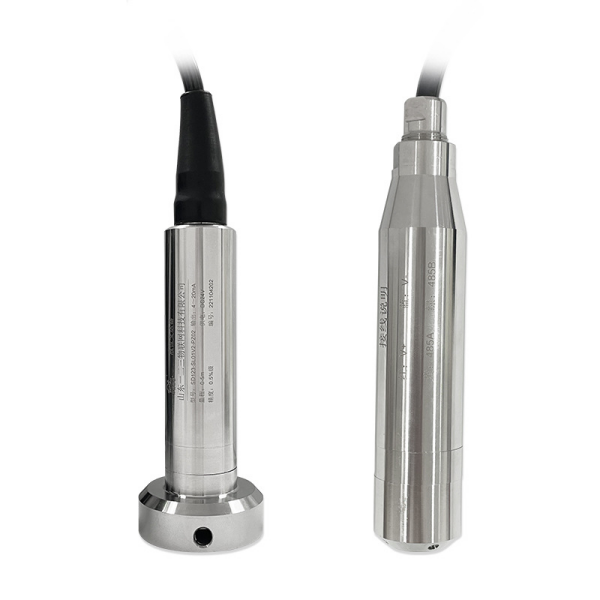
These sensors are developed to withstand elevated temperature levels while giving accurate pressure analyses, making them indispensable in markets such as petrochemicals and power generation. These devices are submerged in the liquid being determined, giving continuous level readings based on the hydrostatic pressure generated by the liquid column over the sensor. Guided radar level transmitters, on the various other hand, utilize radar innovation to gauge levels in difficult conditions, such as those with vapor or foam.
Turbine type flow meters are a well-established modern technology for gauging fluid flow prices, especially in tidy liquids. These meters include a blades that rotates in the liquid flow, with the rotational speed correlating to the flow price. This effective however conventional form of measurement has its advantages, including relatively affordable and uncomplicated performance. As sectors remain to advance, so do the types of pressure sensors utilized for different applications. Piezoelectric sensors, capacitive devices, and strain scale sensors are among the usual types that provide to particular measurement demands, each having its one-of-a-kind working principle and variety of applications.
Vacuum pressure transducers, as the name recommends, are used for measuring low-pressure atmospheres, often listed below air pressure. They are critical in processes calling for vacuum conditions, such as in food product packaging, medical tool manufacturing, and semiconductor manufacture. Absolute pressure transducers supply dimensions concerning an excellent vacuum, providing a clear reference factor for pressure readings. These devices are regularly utilized in industries where accuracy is paramount. Similarly, rotary torque sensors are important for examining the torque in turning tools, enabling engineers to check performance and protect against mechanical failings in motors and revolving equipment.
The accuracy and integrity of the instrument must line up with the particular demands of the application when it comes to flow measurement devices. Whether making use of a traditional flow meter or extra innovative technology like clamp-on ultrasonic flow meters, picking the ideal type of flow measurement gadget can significantly influence operational efficiency. Markets dealing with harsh liquids may opt for magnetic flow transmitters as they are created without relocating parts, thus minimizing wear and tear. The variety in flow measurement solutions permits businesses to choose instruments customized to their certain requirements.
These transmitters can consist of however are not limited to, standard pressure transmitters, differential pressure transmitters, and level transmitters. DP level transmitters combined with pressure measurement can accurately account for adjustments in liquid density, ensuring that level monitoring stays trusted also in differing problems.
Rotameters are classic flow measurement devices recognized for their simpleness and efficiency. The working principle of rotameters includes a float that drops and climbs within a tapered tube based upon the flow price of the fluid. The elevation of the float suggests the flow price on a range positioned along with the tube, offering aesthetic feedback that operators can quickly analyze. In spite of innovations in modern technology, rotameters continue to be a popular alternative in industrial settings and lots of research laboratories because of their simple and affordable layout.
Check out the advancement of industrial measurement innovations, from ultrasonic liquid level sensors to innovative flow meters, and uncover exactly how these technologies enhance effectiveness and integrity throughout numerous industries.
Additionally, the diesel fuel tank level monitoring system is a vital facet of fuel administration in different industries, particularly in transport and power industries. These systems commonly utilize a combination of level sensors and flow meters to give real-time data on fuel levels, consumption rates, and even leakage discovery. Such monitoring not just maximizes fuel use yet additionally enhances security by staying clear of spills and overfills. With enhancing emphasis on efficiency and sustainability, the combination of sophisticated monitoring systems becomes an essential aspect of industrial procedures.
For any individual looking to resource high-quality flow measurement devices, finding a trusted flow meter supplier is important. Investing in respectable suppliers of pressure transmitters and flow meters helps guarantee that the selected devices meet the strenuous standards required for industrial dependability.
From ultrasonic liquid level sensors and differential pressure transmitters to magnetic flow meters and high-temperature pressure sensors, the growing repertoire of solutions addresses details operational obstacles. Inevitably, the integration of modern measurement devices right into day-to-day processes holds the key to optimizing efficiency and achieving lasting success in a significantly affordable industry.
