
 AsimAli
Choosing the right outfit for a Nikah ceremony is about more than fashion. It is about modesty, cultural values, and respect for the sacred nature of the event.
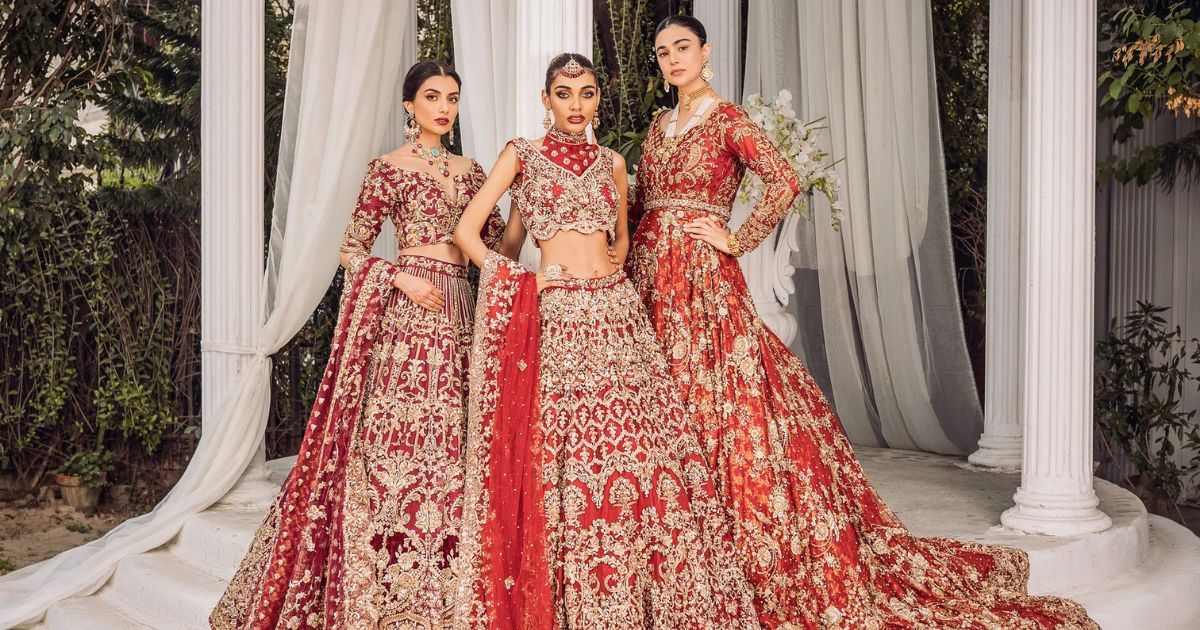
In Pakistani weddings, clothing reflects family traditions, religious sensitivity, and personal grace. Formal wear Pakistani dresses play a central role in Nikah ceremonies because they balance elegance with modesty. Understanding how to dress respectfully helps you honor the occasion while still looking beautiful and confident.
This comprehensive guide explains Nikah outfit etiquette in detail. It is written in simple language for easy understanding. Each section focuses on what looks appropriate, what to avoid, and how to make thoughtful style choices using formal wear Pakistani dresses.
Importance of Nikah Attire
A Nikah is a religious contract. It is usually held in a mosque or a quiet family setting. Because of this, the atmosphere is calm and spiritual.
Your outfit should reflect this tone.
Formal wear Pakistani dresses are ideal because they are designed with grace, coverage, and traditional values in mind.
Wearing respectful clothing shows consideration for elders, religious customs, and the couple beginning their new life.
It also helps maintain the dignity of the event.
Cultural and Religious Expectations
Nikah ceremonies are rooted in Islamic values.
Modesty is a key principle.
Clothes should not be revealing, tight, or overly flashy.
Formal wear Pakistani dresses often feature long silhouettes, sleeves, and elegant dupattas, which align perfectly with these expectations.
Cultural norms also matter.
In Pakistani society, understated elegance is appreciated at a Nikah.
This is why formal wear Pakistani dresses are preferred over heavy bridal or party wear.
Nikah Outfit Etiquette for the Bride
Modesty Comes First
The bride is the focus of the ceremony, but modesty remains essential.
Outfits should provide full coverage.
Long shirts, lehengas with blouses that have sleeves, or modest maxis work well.
Formal wear Pakistani dresses designed for brides often include soft embellishments and classic cuts.
Avoid deep necklines or backless designs.
The goal is to look dignified, not dramatic.
Color Choices for the Bride
Traditionally, brides wore red.
Today, pastel shades, ivory, champagne, soft pink, and gold are popular.
These colors reflect serenity and purity.
Many formal wear Pakistani dresses for Nikah come in subtle tones with fine embroidery.
Bright neon shades are better saved for mehndi or dholki events.
Fabric Selection
Lightweight fabrics are preferred.
Chiffon, organza, silk, and soft net are popular.
They fall gracefully and look elegant in photographs.
Formal wear Pakistani dresses made with these fabrics ensure comfort during a long ceremony.
Heavy velvet or thick brocade can look too formal and may feel uncomfortable.
Dupatta Styling
The dupatta is essential.
It symbolizes respect and tradition.
Brides often drape the dupatta over their head during the Nikah.
Formal wear Pakistani dresses usually include beautifully detailed dupattas that complement the outfit.
Keep the drape simple and secure.
Avoid overly styled or dramatic dupatta arrangements.
Nikah Outfit Etiquette for the Groom
Simplicity and Grace
The groom’s attire should be elegant but not overpowering.
Classic sherwanis, prince coats, or waistcoat shalwar kameez combinations work best.
Many grooms choose formal wear Pakistani dresses designed specifically for Nikah ceremonies.
Neutral colors like ivory, beige, grey, or soft gold are ideal.
Fabric and Fit
Comfort matters.
The groom will sit for a long time.
Breathable fabrics like raw silk, jamawar, or blended cotton work well.
Well-fitted formal wear Pakistani dresses enhance confidence without looking flashy.
Avoid extremely tight or overly loose outfits.
Accessories
Minimal accessories are best.
A simple watch, traditional khussa, or a subtle shawl is enough.
Heavy jewelry or flashy buttons can distract from the solemnity of the Nikah.
Outfit Etiquette for Female Guests
Respectful and Elegant Dressing
Female guests should dress modestly.
Long shirts, maxis, sarees with covered blouses, and ghararas are suitable.
Formal wear Pakistani dresses for guests often focus on clean cuts and elegant embroidery.
Avoid sleeveless outfits or very short shirts.
Choosing the Right Colors
Soft and neutral colors are safe choices.
Pastels, jewel tones, and earthy shades work well.
Avoid white, as it is often reserved for the bride.
Extremely bright reds or heavy bridal colors should also be avoided.
Formal wear Pakistani dresses in subtle shades create a respectful look.
Fabric and Embellishment
Light to medium embellishment is appropriate.
Too much sparkle can feel out of place.
Formal wear Pakistani dresses with minimal zari, thread work, or sequins are perfect for guests.
Comfort should always be a priority.
Outfit Etiquette for Male Guests
Traditional Options
Men usually wear shalwar kameez, kurta pajama, or waistcoat combinations.
Neutral and pastel shades are preferred.
Formal wear Pakistani dresses for men often feature simple embroidery or textured fabrics.
Avoid Casual Wear
Jeans, t-shirts, and sneakers are inappropriate.
The Nikah is a formal event.
Wearing formal wear Pakistani dresses shows respect for the family and the ceremony.
What to Avoid at a Nikah Ceremony
Overly Revealing Clothing
Short sleeves, deep necklines, and sheer fabrics should be avoided.
Even if they are trendy, they are not suitable for a Nikah.
Formal wear Pakistani dresses are designed to avoid these issues.
Excessive Makeup and Jewelry
Heavy makeup can look harsh in a daytime or mosque setting.
Keep makeup soft and natural.
Jewelry should be minimal.
Formal wear Pakistani dresses already carry elegance, so accessories should not overpower them.
Loud Colors and Heavy Designs
Neon colors and heavy bridal embroidery can feel disrespectful.
Nikah ceremonies call for subtlety.
This is why formal wear Pakistani dresses with balanced design elements are ideal.
Seasonal Considerations for Nikah Outfits
Summer Nikah Ceremonies
Choose breathable fabrics.
Light colors help keep you cool.
Formal wear Pakistani dresses in chiffon or lawn blends work well in summer.
Avoid heavy layering.
Winter Nikah Ceremonies
Slightly heavier fabrics like silk or light velvet can be worn.
Darker tones are acceptable.
Formal wear Pakistani dresses with shawls or jackets add warmth and style.
Modern Trends Within Respectful Limits
Contemporary Cuts
Modern silhouettes are acceptable if they maintain modesty.
Long straight shirts, flared pants, and structured maxis are popular.
Many designers now offer formal wear Pakistani dresses that blend tradition with modern style.
Minimalist Fashion
Simple designs with clean lines are trending.
These looks feel fresh and respectful.
Minimalist formal wear Pakistani dresses are perfect for Nikah ceremonies.
Coordinating Family Outfits
Families often coordinate colors.
This creates a harmonious look in photos.
Choose a color palette and let each person select formal wear Pakistani dresses in that range.
Avoid exact matching.
Subtle coordination looks more elegant.
Nikah Outfit Etiquette for the Bride’s Close Family
Close family members should dress slightly more formal than regular guests.
Mothers and sisters often wear rich but modest outfits.
Formal wear Pakistani dresses with refined embroidery are suitable.
Avoid competing with the bride.
The focus should remain on her.
Footwear and Accessories Etiquette
Footwear
Comfortable and elegant shoes are best.
Khussas, sandals, or low heels work well.
Avoid very high heels.
Formal wear Pakistani dresses look best with traditional footwear.
Bags and Clutches
Small clutches are appropriate.
Large handbags look casual.
Choose simple designs that complement your formal wear Pakistani dresses.
Makeup and Hairstyling Guidelines
Soft and Natural Makeup
Neutral tones are ideal.
Avoid heavy contouring or bold colors.
Soft makeup enhances the elegance of formal wear Pakistani dresses.
Simple Hairstyles
Low buns, loose waves, or simple braids work well.
Avoid overly dramatic hairstyles.
The goal is graceful simplicity.
Dressing Respectfully in a Mosque Nikah
When the Nikah is held in a mosque, etiquette becomes even more important.
Head coverings are often expected.
Sleeves and full-length outfits are necessary.
Formal wear Pakistani dresses with dupattas make it easy to meet these requirements.
Shoes are removed in mosque areas.
Choose footwear that is easy to remove.
Why Formal Wear Matters at a Nikah
Clothing reflects intention.
Wearing formal wear Pakistani dresses shows that you value the ceremony.
It honors cultural traditions and religious values.
It also sets a respectful tone for the event.
Common Mistakes People Make
One common mistake is dressing too casually.
Another is over-dressing in heavy bridal wear.
Both extremes miss the balance needed.
Formal wear Pakistani dresses help maintain that balance.
They are designed for formal occasions like Nikah ceremonies.
How to Choose the Right Nikah Outfit
Start by considering the venue.
Think about the time of day.
Choose colors that feel calm.
Select formal wear Pakistani dresses that fit well and feel comfortable.
Always prioritize modesty and respect.
Conclusion
Nikah outfit etiquette is about understanding the meaning of the event.
It is a sacred moment filled with prayers and promises.
Dressing respectfully enhances the beauty of the ceremony.
Formal wear Pakistani dresses offer the perfect blend of tradition, elegance, and modesty.
They allow you to look polished without overshadowing the spiritual atmosphere.
Whether you are the bride, groom, or guest, thoughtful clothing choices matter.
By choosing appropriate styles, colors, and fabrics, you show respect for the couple and their families.
In the end, the best Nikah outfit is one that reflects grace, humility, and cultural pride.
When chosen carefully, formal wear Pakistani dresses help create memories that feel beautiful, meaningful, and respectful for years to come.
