
 AsimAli
Pakistani bridal wear holds a special place in South Asian culture. Every bride dreams of looking elegant and stunning on her wedding day, and traditional Pakistani bridal wear offers the perfect combination of heritage, beauty, and sophistication.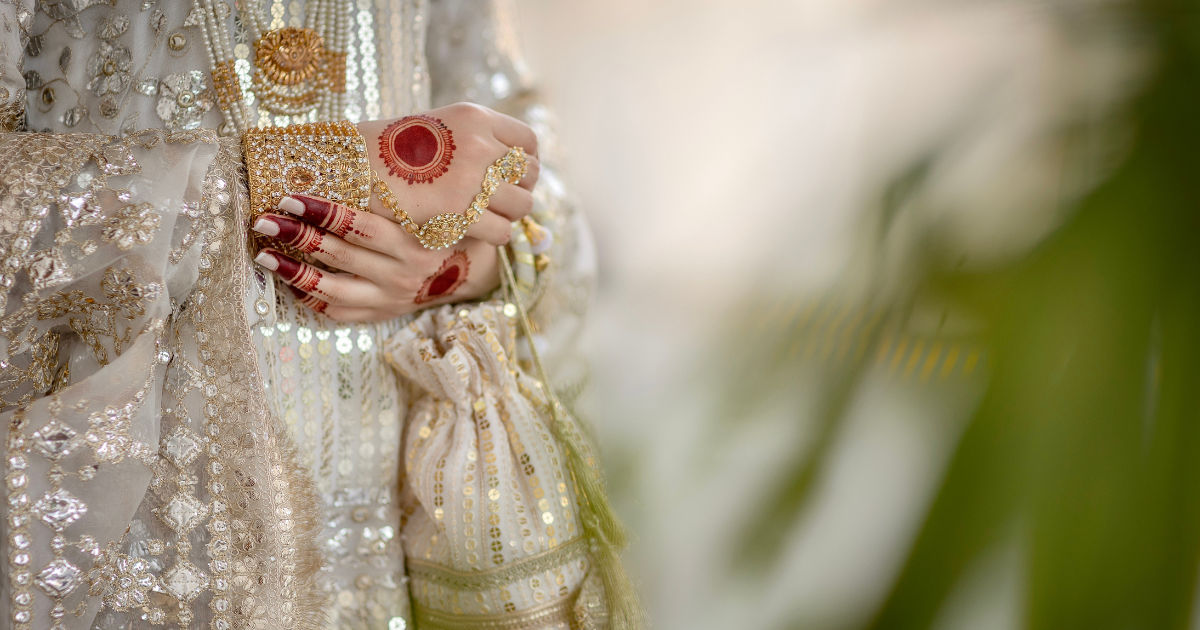
From intricate embroidery to luxurious fabrics, these dresses reflect centuries of artistry and craftsmanship. The popularity of Pakistani bridal wear is not just due to its visual appeal but also because it connects brides to their cultural roots.
Bridal wear in Pakistan is more than just clothing; it is a statement of tradition, identity, and celebration. The designs, colors, and patterns vary according to regions, reflecting Pakistan’s diverse cultural landscape.
When a bride steps into her wedding outfit, she embodies the legacy of her ancestors while embracing modern fashion trends.
Choosing traditional Pakistani bridal wear ensures that the bride feels regal, confident, and culturally connected on one of the most important days of her life.
The History of Pakistani Bridal Wear
Pakistani bridal wear has a rich history rooted in the Mughal era. The Mughals were known for their luxurious fabrics, intricate embroidery, and attention to detail, all of which influence modern bridal designs. Over the centuries, bridal fashion in Pakistan evolved by blending Mughal aesthetics with local styles and fabrics.
In the past, brides often wore lehengas or shararas made from heavy silk or velvet, decorated with gold and silver thread work known as zari. These designs symbolized wealth, status, and tradition. Jewelry, veils, and dupattas (long scarves) complemented the attire, making the bridal look complete. Today, designers continue to draw inspiration from these historical influences, ensuring that traditional Pakistani bridal wear remains timeless and elegant.
Essential Components of Pakistani Bridal Wear
Understanding the elements of Pakistani bridal wear helps in appreciating its beauty and significance. These components are carefully chosen to enhance the bride’s appearance and reflect her personal style.
The Bridal Dress
The most iconic piece in Pakistani bridal wear is the dress itself. Popular styles include lehenga, sharara, gharara, and anarkali suits. Each style has its own unique charm:
-
Lehenga: A long skirt paired with a blouse (choli) and a dupatta. This style is most commonly worn in traditional Pakistani weddings.
-
Sharara: Wide-legged pants paired with a long shirt and dupatta. It is favored for its comfort and elegance.
-
Gharara: Similar to the sharara but with a more structured silhouette, often heavily embellished.
-
Anarkali: A long, flowing frock-style dress with fitted bodice and flared hem, perfect for brides seeking a graceful look.
Fabrics Used
Traditional Pakistani bridal wear is made from luxurious fabrics that enhance the grandeur of the outfit. Common fabrics include silk, chiffon, georgette, velvet, organza, and net. Silk is especially popular for lehengas and ghararas due to its smooth texture and rich appearance. Velvet, on the other hand, is often used in winter weddings for its warmth and regal feel.
Embroidery and Embellishments
Embroidery is the soul of Pakistani bridal wear. Artisans use various techniques such as zardozi (metal thread embroidery), gota patti (applique with gold or silver ribbon), and sequins to create stunning designs. Beadwork, crystals, and pearls are also added to elevate the elegance of the outfit. Each pattern has its own meaning, often inspired by floral or geometric motifs.
The Dupatta
No bridal outfit is complete without a dupatta. This long scarf is draped over the head, shoulders, or arms and serves both decorative and symbolic purposes. Dupattas are often heavily embroidered to match the dress and are considered an essential part of Pakistani bridal wear.
Popular Colors in Pakistani Bridal Wear
Color plays a significant role in Pakistani bridal wear, as each hue carries cultural significance. While red has traditionally been the preferred choice for brides, other colors have become popular in recent years.
-
Red: Symbolizes love, prosperity, and fertility. It is the classic choice for Pakistani brides.
-
Maroon and Burgundy: Offer a deeper, more sophisticated alternative to red.
-
Gold and Beige: Exude elegance and are often chosen for day weddings.
-
Pastels: Pink, peach, and mint are modern choices for contemporary brides seeking a softer look.
-
Emerald and Royal Blue: Bold colors that make a striking statement for evening weddings.
The choice of color is often influenced by personal taste, family traditions, and regional customs.
Regional Variations in Pakistani Bridal Wear
Pakistan’s diverse culture is reflected in the variations of bridal wear across different regions. Each area has its own unique style, embroidery techniques, and color preferences.
Punjab
Punjabi bridal wear is known for its vibrant colors and heavy embellishments. Lehengas with intricate zari, mirror work, and sequins are common. The dupatta is often draped in a traditional style over the head and shoulders. Punjabi brides prefer bold, eye-catching designs that showcase festivity and celebration.
Sindh
Sindhi bridal wear is famous for its rich embroidery and mirror work. Dresses often feature bright colors like red, orange, and fuchsia. Traditional outfits include long frocks or lehengas paired with matching dupattas. Jewelry plays a crucial role, with elaborate necklaces, bangles, and headpieces completing the bridal look.
Khyber Pakhtunkhwa
In Khyber Pakhtunkhwa, bridal attire often features lighter fabrics and subtle embroidery. Colors like pastels, soft pinks, and creams are popular. The style emphasizes modesty while maintaining elegance. The dupatta is draped over the head in a simple yet graceful manner.
Balochistan
Balochi bridal wear is characterized by heavy embroidery and vibrant colors. Traditional dresses often include long, flowing skirts with detailed patterns. The emphasis is on craftsmanship, with each outfit showcasing the skill of local artisans. Jewelry and accessories are bold and complement the vibrant attire.
Modern Trends in Pakistani Bridal Wear
While traditional Pakistani bridal wear remains popular, modern trends have introduced new styles and innovations. Contemporary brides often blend tradition with modernity, resulting in unique and stylish outfits.
Fusion Styles
Fusion bridal wear combines traditional designs with modern silhouettes. For example, a classic lehenga may feature a modern crop top blouse, or an anarkali may be paired with a contemporary belt. Fusion styles allow brides to express individuality while honoring tradition.
Lighter Fabrics
Modern brides often prefer lighter fabrics like chiffon and georgette for comfort, especially in long weddings with multiple events. These fabrics allow for ease of movement without compromising elegance.
Minimalist Embroidery
Some brides are choosing minimalistic designs over heavy embellishments. Simple embroidery, delicate beadwork, and soft pastel colors create a sophisticated and graceful bridal look.
Pre-Designed Bridal Collections
With the rise of fashion designers and bridal boutiques, ready-made Pakistani bridal wear has become accessible. Pre-designed collections allow brides to choose from curated styles, ensuring a perfect fit for their personality and wedding theme.
Accessories That Complement Pakistani Bridal Wear
Accessories are an integral part of completing a bridal look. Traditional jewelry and accessories enhance the overall elegance of Pakistani bridal wear.
Jewelry
Pakistani bridal jewelry is elaborate and often includes the following:
-
Maang Tikka: A headpiece placed on the forehead, symbolizing beauty and tradition.
-
Necklaces: Often layered and heavy, featuring gold, diamonds, or kundan work.
-
Earrings: Matching earrings that complement the necklace and outfit.
-
Bangles and Bracelets: Worn on both arms, adding a festive touch.
-
Rings: Often large and decorative, symbolizing commitment and marital status.
Footwear
Bridal footwear is traditionally ornate, with embroidered or embellished shoes that match the outfit. Juttis (traditional flat shoes) are commonly worn for comfort and style.
Clutches and Bags
Modern brides often carry small, decorative clutches that complement their attire. These are usually embellished with embroidery or beads, matching the bridal outfit perfectly.
The Significance of Traditional Pakistani Bridal Wear
Choosing traditional Pakistani bridal wear is not just about aesthetics; it carries cultural, emotional, and symbolic significance.
Cultural Connection
Traditional bridal wear connects the bride to her heritage. It honors family traditions and regional customs, allowing the bride to carry forward cultural values.
Emotional Value
A wedding dress often carries emotional importance. Many brides inherit family heirlooms or wear outfits designed by relatives. These elements create a deep sentimental connection, making the wedding day even more special.
Symbolism
Colors, fabrics, and designs in Pakistani bridal wear are symbolic. Red represents love and prosperity, gold signifies wealth, and embroidery patterns often reflect cultural motifs. Wearing traditional attire ensures that the bride embodies these values on her wedding day.
Tips for Choosing the Perfect Pakistani Bridal Wear
Selecting the right bridal wear can be overwhelming. Here are some tips to help brides make the best choice:
-
Know Your Style: Decide whether you prefer a traditional or modern look.
-
Consider Comfort: Weddings are long events; choose fabrics and designs that allow ease of movement.
-
Plan Ahead: Start shopping or designing your bridal outfit months in advance to avoid last-minute stress.
-
Match Accessories: Jewelry, shoes, and clutches should complement the bridal wear, not overshadow it.
-
Budget Wisely: Bridal wear can be expensive, so set a realistic budget and stick to it.
-
Consult Family and Friends: Opinions of trusted family members can help in making the perfect choice.
Caring for Pakistani Bridal Wear
Traditional Pakistani bridal wear is delicate and requires proper care to maintain its beauty.
-
Dry Cleaning: Most bridal dresses should be dry cleaned to preserve fabric and embroidery.
-
Proper Storage: Store the outfit in a cool, dry place. Use padded hangers and garment bags to prevent damage.
-
Handle with Care: Avoid pulling threads or snagging embroidery when wearing or storing the dress.
-
Preserve for Memories: Many brides keep their wedding dress as a family heirloom for future generations.
Conclusion
Traditional Pakistani bridal wear is more than just clothing; it is an art form, a cultural emblem, and a source of pride for brides. From its historical roots in Mughal fashion to modern innovations and fusion styles, Pakistani bridal wear has evolved while retaining its cultural significance. Choosing traditional bridal attire allows a bride to honor her heritage, express her personal style, and feel confident on her special day.
With its intricate embroidery, luxurious fabrics, vibrant colors, and meaningful accessories, Pakistani bridal wear ensures that every bride looks regal and radiant. Whether you prefer the grandeur of a heavily embellished lehenga or the elegance of a minimalist anarkali, the options are endless. By understanding the history, styles, and significance of these outfits, brides can make informed choices that celebrate both tradition and individuality.
In the end, wearing traditional Pakistani bridal wear is about embracing culture, celebrating love, and creating memories that last a lifetime. It is a symbol of elegance, grace, and timeless beauty that continues to inspire generations of brides.
