
 AsimAli
Choosing the right fabric is one of the most important steps in creating stylish, comfortable, and long-lasting female cloths. Whether someone is buying ready-made outfits or designing their own wardrobe, the fabric used determines the fit, the feel, the flow, and even the durability of the final garment.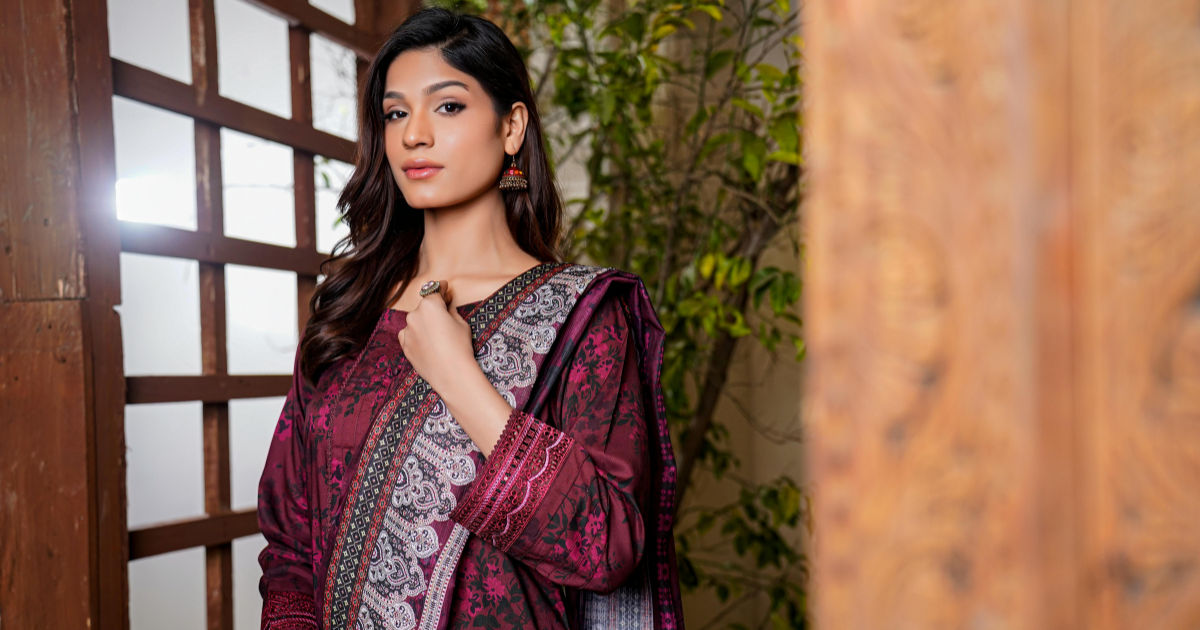
Because female cloths come in endless styles, from everyday wear to luxury evening fashion, selecting the best fabric ensures the outfit not only looks beautiful but also performs well in real life.
In this guide, we explore the most important fabrics used for female cloths, how to evaluate quality, how different fabrics behave, and how to choose the right material for specific occasions. You’ll also learn about sustainability, comfort, upkeep, and how the fabric of female cloths affects confidence and style.
By the end, you’ll have the clarity needed to make thoughtful decisions whenever you shop for or design female cloths.
Fabric Types in Female Cloths
Every piece of clothing begins with a fabric choice. Most fabrics used in female cloths fall into three major categories: natural fibers, synthetic fibers, and blended fibers. Each type offers unique benefits, drawbacks, and ideal uses.
Natural Fibers
Natural fibers come directly from plants or animals. They are breathable, often softer, and typically more comfortable for sensitive skin. Many people gravitate toward natural fabrics when shopping for high-quality female cloths because they provide comfort and elegance.
Cotton
Cotton is one of the most commonly used fibers in female cloths. It is soft, breathable, and suitable for all seasons. Everyday dresses, shirts, skirts, and casual outfits often rely on cotton because it feels gentle and absorbs moisture well. Cotton-based female cloths are also easy to wash and maintain.
Linen
Linen is prized for its coolness and texture. For warm climates, linen is a favorite choice for female cloths designed for comfort and airflow. It wrinkles easily, but many people appreciate this natural, relaxed look in summer dresses and casual wear.
Silk
Silk is a luxurious natural fiber known for its sheen and smooth texture. Silk elevates female cloths such as gowns, blouses, saris, and evening dresses. It drapes beautifully and feels pleasant on the skin. Silk requires delicate care, but the elegance it adds to female cloths is unmatched.
Wool
Wool provides warmth and structure. Winter female cloths such as coats, sweaters, and skirts often use wool for insulation. Different types of wool—like cashmere, merino, and lambswool—offer softness and style for cold-weather wardrobes.
Synthetic Fibers
Synthetic fibers are man-made and created through chemical processes. Designers use them to add stretch, durability, or special performance characteristics to female cloths.
Polyester
Polyester is widely used because it is affordable, strong, and wrinkle-resistant. It blends well with other materials, making polyester-mix female cloths durable and easy to maintain. Many modern dresses, tops, and sportswear rely on polyester.
Nylon
Nylon is lightweight, stretchy, and smooth. It appears often in leggings, activewear, and form-fitting female cloths because it maintains shape well. It is also quick-drying, making it suitable for travel and workout outfits.
Acrylic
Acrylic mimics wool but is more affordable. Sweaters, scarves, and winter female cloths commonly include acrylic fibers. While lightweight and warm, acrylic may pill over time.
Blended Fibers
When manufacturers combine natural and synthetic fibers, they create blended fabrics with the strengths of both. These blends help female cloths become more comfortable, affordable, and long-lasting.
Cotton-Polyester Blend
Cotton-polyester blends are popular for T-shirts, blouses, casual dresses, and everyday female cloths. The cotton provides softness while the polyester adds strength and reduces wrinkles.
Spandex (Elastane) Blends
Spandex blends give stretch. Leggings, fitted tops, bodycon dresses, and many other female cloths rely on this flexibility for shape retention and comfort.
Rayon Blends
Rayon is semi-synthetic and mimics the feel of natural fibers. Rayon blends drape beautifully, making them perfect for flowing skirts and elegant female cloths.
Comfort Factors in Fabric Choices
Comfort is a priority for anyone selecting female cloths. The right fabric allows movement, helps regulate body temperature, and feels pleasant on the skin.
Breathability
Breathable fabrics like cotton, linen, and bamboo keep the wearer cool. These are ideal for daily female cloths and warm climates.
Softness
Soft fabrics improve comfort for sensitive skin. Modal, silk, and some types of wool offer softness that enhances luxury female cloths.
Stretch and Flexibility
Stretchy materials help female cloths fit better. Spandex blends provide flexibility for both casual wear and athletic outfits.
Weight of the Fabric
Lightweight fabrics like chiffon create flow and movement, perfect for dresses and summer female cloths. Heavier fabrics add structure for coats and winter garments.
Durability and Longevity
When consumers invest in female cloths, they want garments that last. Not all fabrics offer the same durability.
Strong Natural Fibers
High-quality cotton and wool can be very durable. They withstand frequent washing when cared for correctly.
Durable Synthetics
Polyester and nylon resist stretching, shrinking, and wrinkles. These properties help female cloths retain their shape and color over time.
Blended Fabrics for Longevity
Blends often outperform single-fiber fabrics. A cotton-polyester dress may last longer than a pure cotton one, making blended female cloths a smart choice.
Aesthetic Qualities of Fabrics
The beauty and style of female cloths depend greatly on how the fabric drapes, reflects light, and moves.
Texture
Different textures create unique looks. Smooth fabrics like satin add elegance, while textured fabrics like tweed create structured and classic-looking female cloths.
Drape
Silk and rayon drape fluidly, making them perfect for flowing dress styles. Stiff fabrics like taffeta hold shape, ideal for formal female cloths with dramatic silhouettes.
Color Absorption
Some fabrics absorb dye more richly, producing vibrant female cloths. Rayon, cotton, and silk excel at this. Others, like polyester, may require special dyes.
Seasonal Fabric Choices
Different seasons demand different fabric characteristics for female cloths.
Summer Fabrics
-
Cotton
-
Linen
-
Rayon
These materials keep air flowing, making summer female cloths comfortable in high temperatures.
Winter Fabrics
-
Wool
-
Velvet
-
Thick knit blends
These fabrics insulate the body, ideal for winter female cloths meant to provide warmth.
All-Season Fabrics
-
Polyester blends
-
Modal
These fabrics appear in year-round female cloths due to comfort and versatility.
Fabrics for Specific Types of Female Cloths
Choosing a fabric also depends on the purpose of the garment.
Dresses
For dresses, fabric determines elegance, flow, and comfort.
-
Casual dresses: cotton, linen, jersey
-
Evening dresses: silk, satin, chiffon
-
Party dresses: organza, sequins, velvet
Every style of dress requires the right fabric to make female cloths flattering and functional.
Tops and Blouses
Tops must balance comfort with appearance.
-
Office blouses: rayon, cotton blends, polyester
-
Casual tops: jersey knit, cotton
These fabrics keep female cloths like tops easy to move in while still looking neat.
Skirts
Skirts rely on fabric to define structure.
-
Flowing skirts: chiffon, rayon
-
Pencil skirts: blended knits, structured cotton
The fabric determines whether female cloths like skirts feel airy or fitted.
Pants and Leggings
Comfort and stretch matter most.
-
Leggings: nylon-spandex blends
-
Pants: cotton twill, polyester blends
Using the right fibers ensures pants remain durable, practical female cloths.
Outerwear
Outerwear must be protective and stylish.
-
Coats: wool, wool blends
-
Jackets: denim, leather substitutes
Outerwear fabrics make female cloths suitable for cold, rain, or daily wear.
Special Fabric Considerations in Female Cloths
Some fabrics meet unique needs in female cloths beyond everyday comfort and style.
Sustainable Fabrics
Eco-friendly fashion is growing. People seeking sustainable female cloths often choose:
-
Organic cotton
-
Tencel
-
Bamboo
-
Recycled polyester
These materials reduce environmental impact while offering quality.
Hypoallergenic Fabrics
Sensitive skin benefits from hypoallergenic fabrics.
-
Cotton
-
Linen
-
Bamboo
These reduce irritation in everyday female cloths.
Wrinkle Resistance
People who travel or prefer low-maintenance wardrobes often choose wrinkle-resistant fabrics.
-
Polyester blends
-
Knits
-
Rayon blends
These help maintain smooth-looking female cloths without constant ironing.
Fabric Behavior and Care
Caring for fabrics ensures female cloths remain attractive and functional.
Washing Requirements
Natural fibers often require gentle washing.
Synthetics tolerate machine cycles better.
Read care labels to extend the life of female cloths.
Shrinkage
Cotton and wool may shrink if washed incorrectly.
Pre-shrunk fabrics help maintain the size of female cloths.
Color Fading
Some fabrics fade faster than others. Polyester retains color longer, helping bright female cloths remain vibrant.
Pilling
Knits and acrylic are prone to pilling.
Proper washing and fabric shavers help maintain the appearance of female cloths.
How Fabric Affects Fit and Style
The same clothing design may look completely different depending on the fabric used. This is why fabric selection is crucial in female cloths.
Structured Fabrics
Taffeta, denim, and canvas hold shape.
They create crisp outlines in female cloths like jackets and formal skirts.
Fluid Fabrics
Chiffon, silk, and georgette create soft, flowing looks.
These give female cloths elegance and movement.
Stretch Fabrics
Elastane blends offer flexibility.
They provide body-hugging silhouettes for many modern female cloths.
Choosing Fabric Based on Activity and Purpose
Lifestyle plays a big role in selecting ideal fabrics for female cloths.
Workwear
Professional female cloths should balance comfort with a polished appearance. Fabrics like rayon, polyester blends, and structured cotton work well for office wear.
Casual Daily Wear
Daily outfits need breathability and comfort.
Cotton, jersey knit, and linen provide softness and ease of movement for everyday female cloths.
Athletic Wear
Activewear materials must stretch, wick moisture, and support movement.
Nylon-spandex and polyester blends dominate athletic female cloths.
Special Occasions
Formal female cloths prioritize elegance. Silk, satin, chiffon, and velvet create luxurious looks suitable for weddings, parties, and celebrations.
Budget Considerations When Selecting Fabrics
The price of female cloths often depends on the fabric used.
Affordable Fabrics
-
Cotton blends
-
Polyester
-
Acrylic
These make stylish female cloths accessible for everyday wardrobes.
Mid-Range Fabrics
-
Linen
-
High-quality rayon
-
Wool blends
These offer durability and elegance without extremely high cost.
Premium Fabrics
-
Pure silk
-
Cashmere
-
Designer specialty fabrics
These elevate female cloths to luxury status but require investment.
Sustainability and Ethical Fabric Choices
Many consumers now consider the environmental impact of female cloths.
Natural and Organic Options
Organic cotton and bamboo reduce chemical use.
These fabrics support sustainable female cloths production.
Recycled Materials
Recycled polyester helps reduce waste.
It appears more often in modern female cloths.
Ethical Production
Fabrics produced under fair labor standards contribute to responsible fashion.
Sustainable brands emphasize quality female cloths made ethically.
Common Mistakes When Choosing Fabric for Female Cloths
Even experienced shoppers can make errors when selecting materials for female cloths.
Mistake 1: Ignoring Care Requirements
Buying delicate fabrics without considering washing instructions leads to frustration.
Mistake 2: Choosing Based on Appearance Only
Pretty fabrics may be uncomfortable. Comfort matters in female cloths.
Mistake 3: Overlooking Seasonal Suitability
Some fabrics trap heat or provide inadequate warmth for certain seasons.
Mistake 4: Not Considering Movement
Stiff fabrics may restrict motion, making some female cloths impractical.
Expert Tips for Selecting the Best Fabric
-
Always feel the fabric before buying whenever possible.
-
Hold it up to the light to check transparency when selecting female cloths.
-
Stretch the fabric slightly to evaluate durability.
-
Ask for fabric composition details on labels.
-
Consider your daily climate and lifestyle when choosing female cloths.
Conclusion
The fabric used in female cloths influences everything: comfort, appearance, durability, care, and confidence. Whether someone prefers natural fibers for breathability, synthetics for performance, or blends for balance, the right fabric enhances the overall experience of wearing female cloths. Choosing wisely means thinking about season, activity, style, and maintenance. It also means being aware of sustainability, affordability, and how the material supports the structure of the garment.
With so many options—cotton, silk, linen, wool, polyester, rayon, spandex blends, and more—the possibilities for creating beautiful and functional female cloths are endless. Understanding how each fabric behaves empowers you to make better fashion choices, invest in pieces that last, and enjoy dressing with comfort and style. As trends continue to evolve, the timeless value of choosing the right fabric for female cloths remains essential.
