
 quadro_bike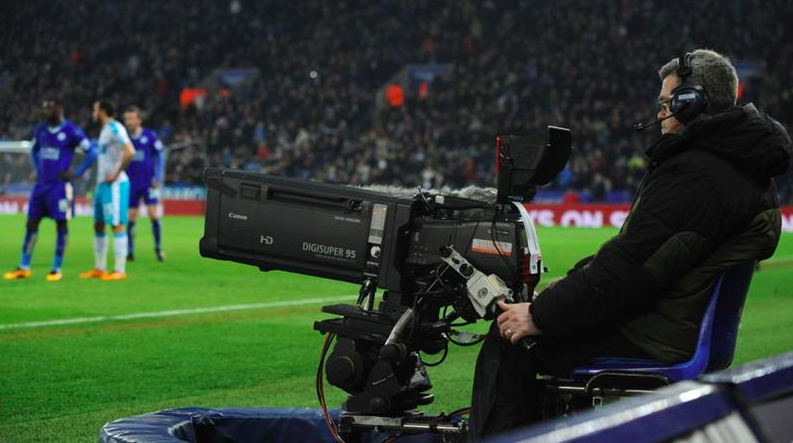
Sports broadcast medium has become an whole part of modern font-day sports . From the solace of their couches, fans can find the thrill of the game, analyse each play, and cheer on their front-runner teams from all around the earth. It is a phenomenon that has metamorphic the way we see and squander sports. But how did sports broadcasting become the power plant that it is nowadays?
The account of sports broadcast medium can be traced back to the late 1800s when radio broadcasts were first introduced. The first known live circulate of a diversion event was the coverage of a fisticuffs play off between Johnny Dundee and Johnny Ray in 1921. However, it wasn’t until the 1930s when sports broadcasting really took off, thanks to the innovation of the television system.
The first live televised diversion was a baseball game game between two touch teams, Princeton and Columbia, in 1939. The circularize attracted a huge audience and sealed the way for more sports events to be televised. Over the next few geezerhood, pop sports such as football, hoops, and baseball were regularly broadcasted, and by the 1960s, sports broadcast medium became a profitable manufacture.
With the rise of cable television in the 1980s, sports broadcast medium saw a striking shift. Cable channels like ESPN and TBS started to focus on only on sports, providing extensive reportage and depth psychology of various games. This led to a substantial increase in the number of viewers and pronounced the start of the era of sports broadcasting as we know it today.
Sports broadcasting has revolutionized the way we waste sports. It has given us look-row access to all kinds of diversion events, from the Super Bowl to the Olympics, qualification it possible for fans to view their favourite teams and players without leaving their homes. This has not only metamorphic the way we watch sports but has also open up new opportunities for advertisers and created a weapons platform for athletes to show window their skills to a worldwide audience.
One of the most significant changes brought about by sports broadcast medium is the introduction of live commentary and analysis during games. With expert commentators and analysts providing insights and opinions, viewing audience can get a better understanding of the game and its players. This has also made sports more available to unplanned viewers, allowing them to watch along and the game just as much as dedicated fans.
Another material vista of sports broadcasting is the use of engineering science to heighten the viewing see. Slow-motion replays, graphics, and statistics provide TV audience with a more in-depth look at the game. On-screen nontextual matter can also cater information such as participant name calling, statistics, and oodles, retention TV audience sophisticated and engaged throughout the circulate.
Furthermore, sports broadcast medium has played a vital role in promoting and inclusivity in sports. Women’s sports, once seldom seen on television system, are now on a regular basis broadcasted, gift female person athletes the same platform and recognition as male athletes. Sports broadcasting has also made it possible for viewers to catch International sporting events, delivery together different cultures and promoting oneness through sports.
In termination, sports broadcasting has come a long way since its early days. It has transformed the way we see and squander sports, from wireless broadcasts in the 1800s to live cyclosis in the 21st . It has made sports more accessible, entertaining, and inclusive, bringing the excitement and vibrate of the game to screens all around the earthly concern. With technology incessantly evolving, Watch games live in high quality broadcast medium will uphold to push boundaries and enhance the way we engage with sports for old age to come.

 Talha013